


 604-501-7771
 sales@thespystore.ca


2026
How to Choose the Right Hidden Camera for Your Needs
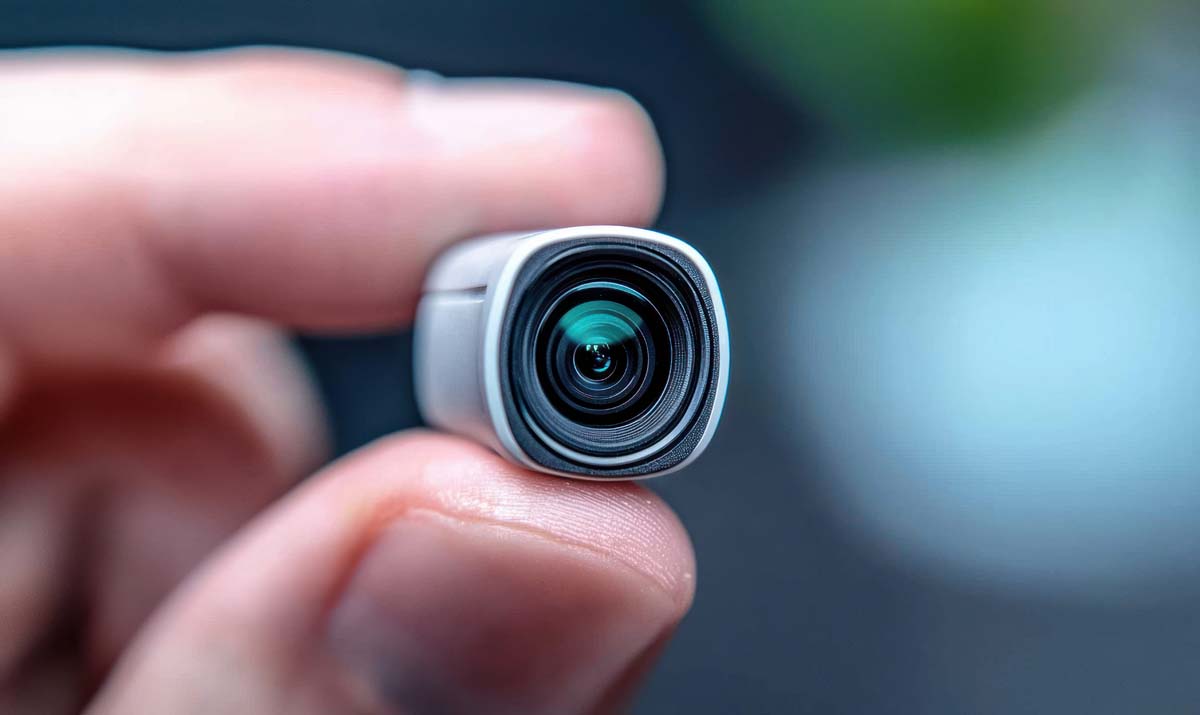
Whether you are looking to protect your home, monitor your business, or keep an eye on a caregiver, investing in surveillance equipment is a significant decision. The technology has advanced rapidly, offering a dizzying array of options that can easily overwhelm a first-time buyer.
But at the end of the day, finding the perfect device requires understanding your specific situation and the features that will best serve your security goals.
This guide will walk you through the essential factors to consider when selecting a covert surveillance device, ensuring you make an informed and effective choice.
Identify Your Primary Surveillance Goal
Before you start browsing products, you must clearly define what you want to achieve with your surveillance setup. Are you trying to catch a thief, monitor a babysitter, or simply keep an eye on your pets while you are at work? Your primary objective will dictate the type of camera you need, its placement, and the features it must possess.
If your goal is to monitor a caregiver, you will likely want a device that blends seamlessly into a child's bedroom or a living room. In this scenario, a camera disguised as an everyday object is ideal. On the other hand, if you are trying to secure a business premises against theft, you might need a more robust system with multiple angles and high-definition recording capabilities.
Consider these common surveillance objectives:
- Monitoring children and their caregivers in the home
- Protecting valuable assets in a retail or office environment
- Keeping an eye on elderly relatives for their safety
- Securing a vehicle against vandalism or theft
Understanding your specific needs will help you narrow down the vast selection of hidden nanny cameras available on the market.
Determine the Best Location and Disguise
The effectiveness of a covert camera relies entirely on its ability to remain undetected. Therefore, choosing the right disguise for the room you intend to monitor is crucial. A device that looks out of place will immediately draw suspicion and defeat the purpose of hidden surveillance.
For a living room or home office, a camera built into a functional clock, a Bluetooth speaker, or a picture frame can blend in perfectly. In a kitchen or bathroom, an air purifier or a wall charger might be more appropriate. The key is to select an object that naturally belongs in the environment and does not attract unnecessary attention.
When selecting a disguise, keep these factors in mind:
- The typical items found in the room you are monitoring
- The availability of power outlets if the device requires plugging in
- The angle and field of view required to capture the necessary footage
- The likelihood of the object being moved or handled by others
If you are unsure about placement, our blog post on what's the best place to hide a camera in my house offers excellent tips for maximizing your surveillance efforts.
Evaluate Power Sources and Battery Life
How your camera receives power is a critical factor that will influence where you can place it and how long it can record. Covert cameras generally fall into two categories: battery-operated and AC-powered. Each option has its own set of advantages and limitations depending on your specific requirements.
Battery-operated cameras offer the ultimate flexibility in placement. You can put them almost anywhere, from a bookshelf to a dashboard, without worrying about hiding unsightly cords. However, they require regular recharging or battery replacement, and their recording time is limited by the battery's capacity.
AC-powered cameras, such as those disguised as wall chargers or alarm clocks, provide continuous, uninterrupted power. This makes them ideal for long-term monitoring where you cannot frequently access the device. The downside is that they must be placed near an electrical outlet, which can limit your placement options.
Consider these power-related features:
- The estimated battery life during continuous recording versus standby mode
- The availability of motion-activated recording to conserve battery power
- The length of the power cord for AC-powered devices
- The ease of accessing the device to recharge or replace batteries
For short-term or highly mobile surveillance needs, exploring our range of mini spy cameras can provide excellent battery-powered solutions.
Understand Storage and Connectivity Options
Once your camera captures footage, it needs a way to store or transmit that data. The two primary methods are local storage via an SD card and remote viewing via a Wi-Fi connection. Your choice will depend on whether you need to view the footage in real-time or if reviewing it later is sufficient.
Cameras with local storage record video directly onto a memory card hidden within the device. To view the footage, you must retrieve the card and insert it into a computer or compatible device. This method is reliable and does not require an internet connection, making it suitable for areas with poor Wi-Fi coverage. However, if the camera is discovered and stolen, you lose the footage along with the device.
Wi-Fi enabled cameras connect to your home or business network, allowing you to stream live video directly to your smartphone or tablet. This feature is invaluable for parents who want to check in on their children or business owners monitoring their stores remotely. Many Wi-Fi cameras also offer cloud storage options or the ability to record directly to your mobile device.
Key storage and connectivity features to look for include:
- The maximum SD card capacity supported by the camera
- The availability of a dedicated smartphone app for remote viewing
- The ability to receive push notifications when motion is detected
- The security protocols used to protect your video stream from unauthorized access
If real-time monitoring is a priority, our selection of covert WiFi IP cameras offers the connectivity you need to stay informed from anywhere.
Assess Video Quality and Night Vision Capabilities
The quality of the video your camera produces can mean the difference between identifying a suspect and having useless, blurry footage. When evaluating video quality, resolution is the most important specification to consider. While older models may offer standard definition, modern covert cameras typically provide 1080p HD or even 4K resolution.
High-definition video ensures that details like facial features, clothing, and even text are clear and recognizable. If you are monitoring a large room or need to capture fine details, investing in a higher resolution camera is highly recommended. Additionally, consider the camera's frame rate; a higher frame rate will result in smoother, more fluid video playback.
If you need to monitor an area in low-light or completely dark conditions, night vision is an essential feature. Most covert cameras use infrared (IR) LEDs to illuminate the area without producing visible light that would give away the camera's location.
When evaluating video and night vision features, check for:
- The camera's maximum video resolution (e.g., 1080p, 4K)
- The field of view or viewing angle provided by the lens
- The range and clarity of the infrared night vision capabilities
- The ability of the camera to automatically switch between day and night modes
Understanding these technical specifications will ensure you capture the evidence you need, regardless of the lighting conditions.
Navigating Legal and Ethical Considerations
Before installing any surveillance equipment, it is imperative to understand the legal and ethical boundaries surrounding covert recording. In Canada, the laws regarding privacy and surveillance are strict, and violating them can result in severe legal consequences. Generally, you are permitted to record video in your own home or business to protect your property.
However, there are areas where individuals have a reasonable expectation of privacy, such as bathrooms, bedrooms, and changing rooms. Installing a hidden camera in these locations is strictly prohibited and illegal. Furthermore, recording audio without the consent of at least one party involved in the conversation is a violation of the Criminal Code of Canada.
When planning your surveillance strategy, always adhere to these guidelines:
- Never install cameras in areas where privacy is expected
- Ensure you are not recording audio unless you are a part of the conversation
- Consider informing employees or caregivers that surveillance is in use
- Consult with a legal professional if you are unsure about the laws in your specific situation
By respecting privacy laws and using surveillance responsibly, you can protect your assets without compromising the rights of others.
Securing Your Peace of Mind
Selecting the appropriate covert surveillance device requires careful consideration of your goals, the environment, and the technical features available.
By identifying your primary objective, choosing a convincing disguise, and evaluating power and storage options, you can build an effective monitoring system.
The Spy Store has been in business for over 20 years and has four locations, two in Vancouver, one in Surrey, BC, one in Calgary, AB, and a large online store.
If you have any questions about this article or would like to talk to us about security or surveillance equipment, please contact us.